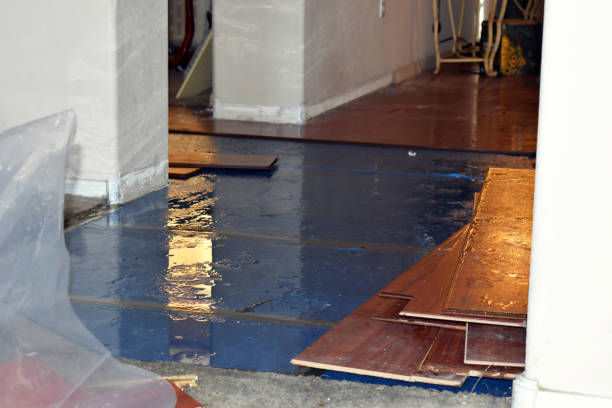
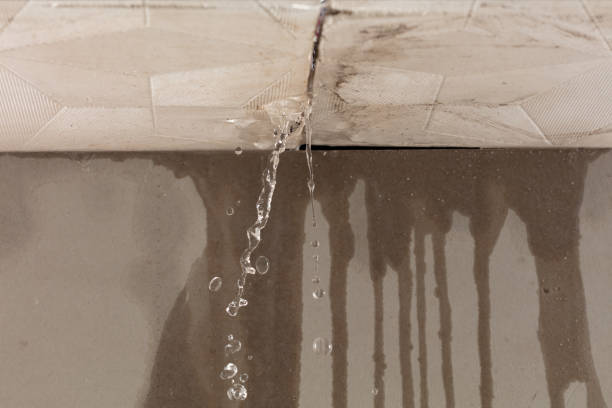
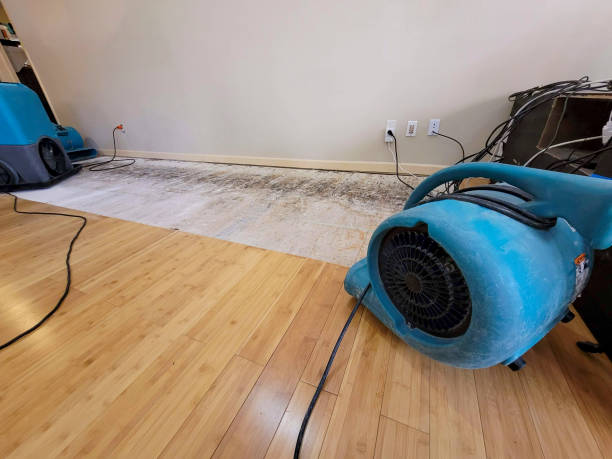
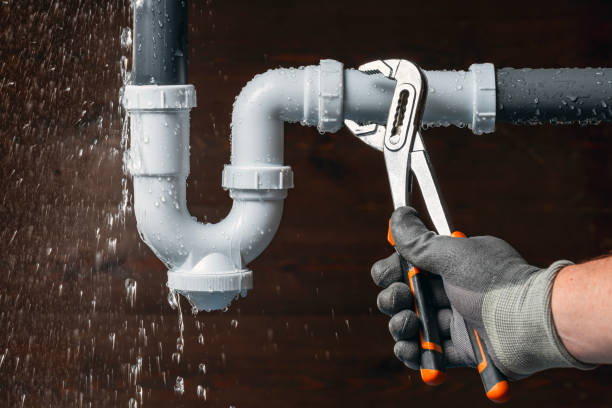
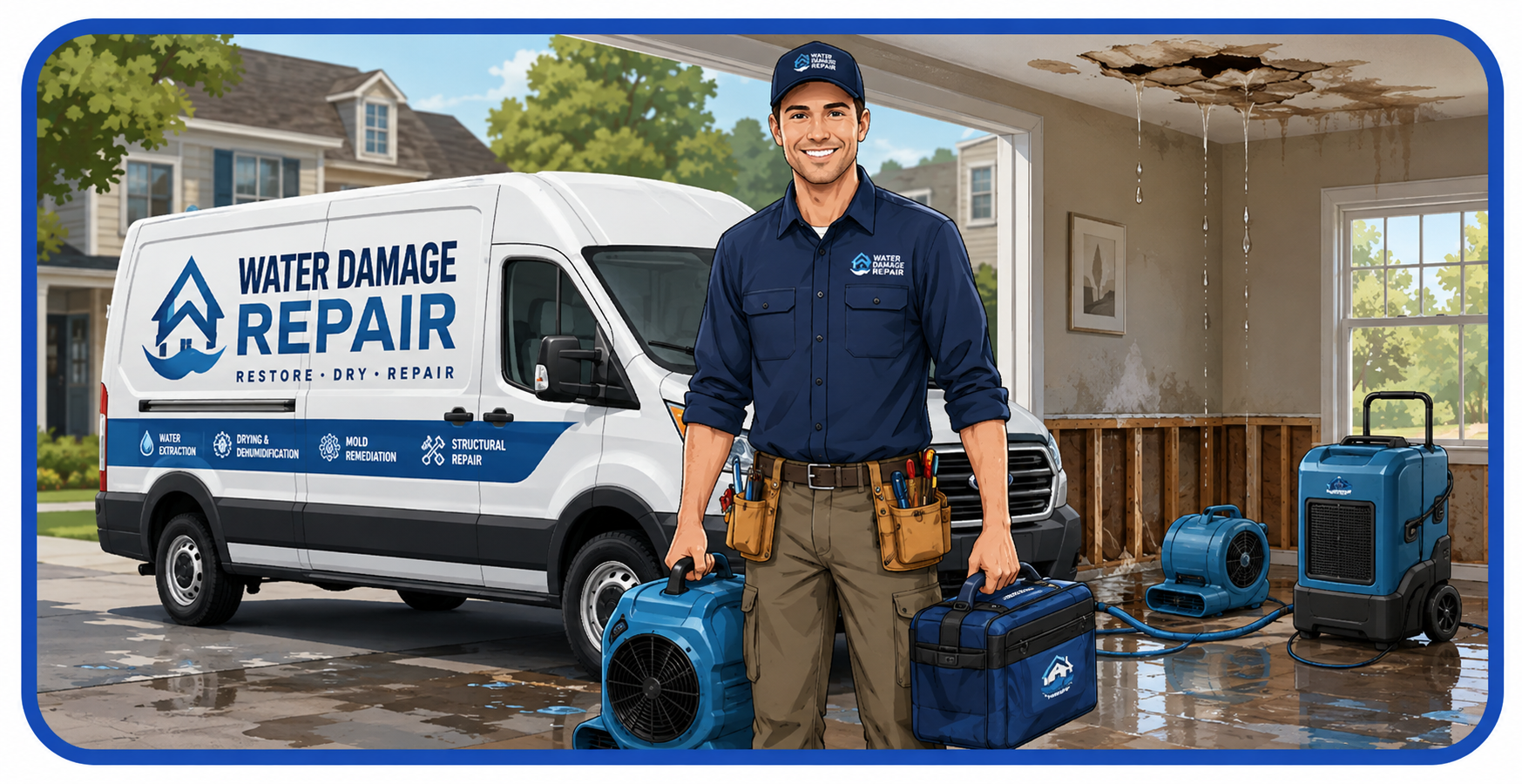
From the first moisture reading to the final walkthrough, our Water Damage Restoration process is built around one goal: stop the damage from spreading while it's still contained.
Call +1-844-234-5373 Now
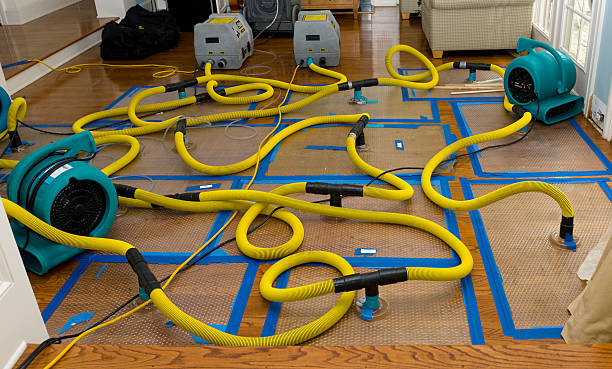
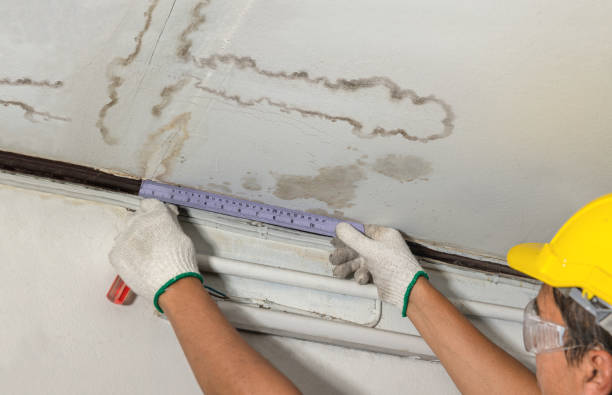
Every Water Damage Restoration job starts with the same diagnostic step: classify the water, map how far it traveled, and confirm the structure's baseline moisture before any equipment gets placed.
We'd rather explain the water damage restoration process in plain terms upfront than have you find out the hard way what a shortcut costs later.
We built this list around what typically goes wrong when water damage restoration gets handled by a generalist rather than a specialist.
None of these standards are unique to us in theory, but they're worth confirming before you let anyone start water damage restoration work on your property.

Every tech on the truck holds IICRC water restoration certification, not a weekend training course.
Local staging keeps the drive time short, which matters most in the first hour of a loss.
You get a written quote before equipment turns on, not a surprise number afterward.
Trucks carry extraction units, moisture meters, and commercial dehumidifiers for jobs of any size.
Every piece of water damage restoration work below follows the same documentation standard, whether it's a small job or a larger one.

We document every moisture reading before touching a wall, which protects your insurance claim later.
Truck-mount extraction units pull standing water fast, classified by category before drying even starts.
Air movers and dehumidifiers get placed based on psychrometric readings, not a generic layout.
Porous materials get treated to stop mold before it starts, especially anywhere wet more than 48 hours.
Drywall, flooring, and trim get restored under the same contract, so you're not managing two companies.
Furniture, documents, and electronics affected by the loss get assessed on-site, with salvageable items cleaned and stored during drying.
This is the same sequence every water damage restoration job follows, regardless of size.
Dispatch gathers just enough detail to load the right equipment before the truck leaves.
Local staging is what makes rapid arrival possible, rather than a promise with nothing behind it.
The assessment sets the whole plan, so we don't rush it even when the visible damage looks minor.
A job isn't closed on a visual check — it's closed on a verified reading.


"Our water heater failed overnight and the crew had extraction equipment running before I finished my coffee."
Renee A., Convoy"Storm water got into our basement and they classified it, extracted it, and had dehumidifiers running that same afternoon."
Owen D., Convoy"Professional from the first call to the final walkthrough, and they re-tested moisture before closing the job."
Fatima J., Convoy"The reconstruction crew matched our original flooring almost exactly."
Lucas P., ConvoyThese are the questions we hear most often about water damage restoration, gathered from real calls, not a generic template list.

Aqua Guard Water Damage dispatches water damage restoration crews throughout Convoy and the surrounding zip codes, including 45832.
Coverage extends past the immediate area, so an outlying Convoy address isn't treated as a lower priority for water damage restoration.